
Case Date: 2021 March 1st
Background: We have been working with a mid-sized European importer since 2019, and they mainly order lots of hot-selling products. Our partnership is built on full transparency—we manage suppliers while sharing all original pricing and factory information. We communicate daily via WeChat to handle their high-volume orders.
Challenge: Avoiding Low-Price Trap
Story
The client wanted to order 5,000 sets of garden kneelers (seats) but was looking for a lower cost.
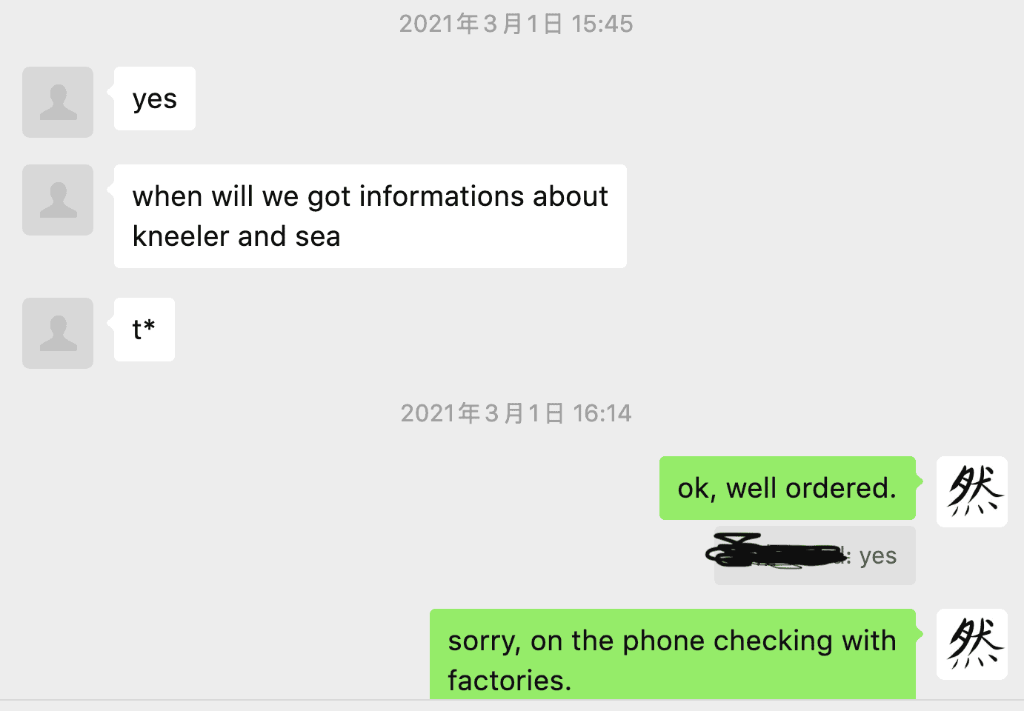
After analyzing the market, we presented two realistic options:
-
Option A (Steel): ~€4.94 (CNY 38.5) EXW
-
Option B (Plastic): ~€2.95 (CNY 23.0) EXW
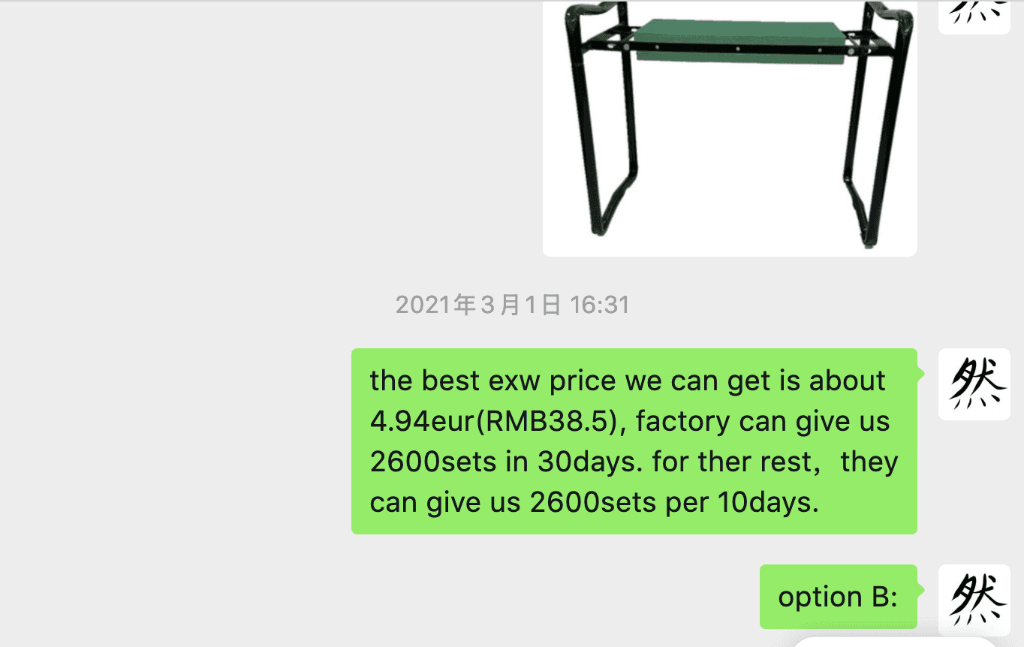
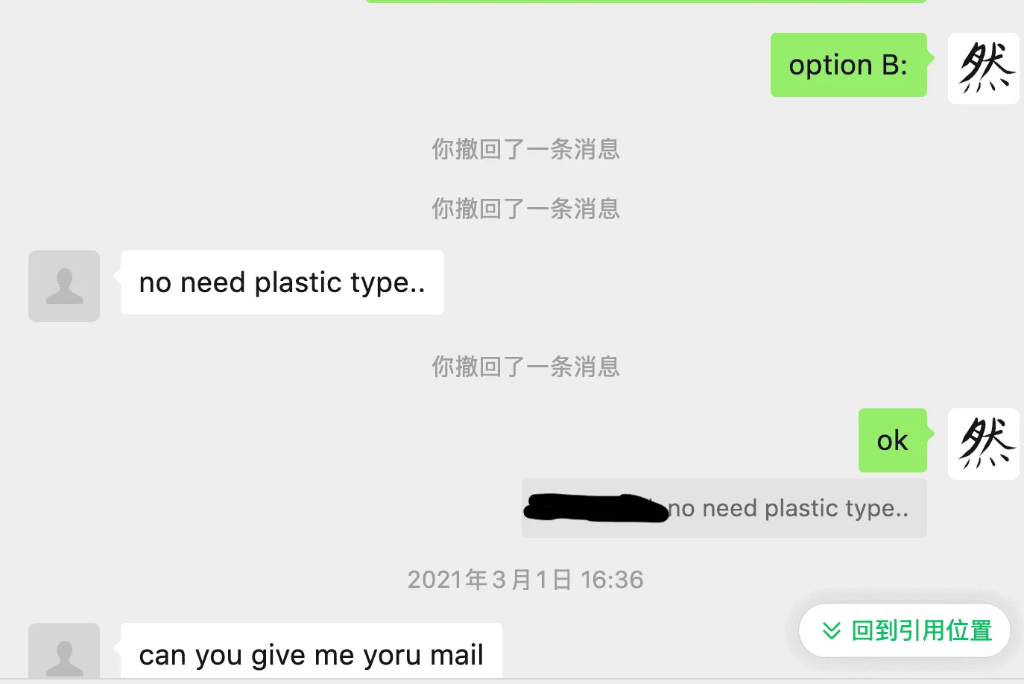
The Conflict
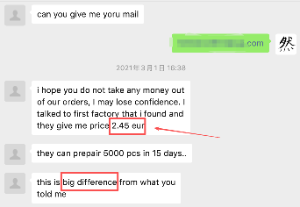
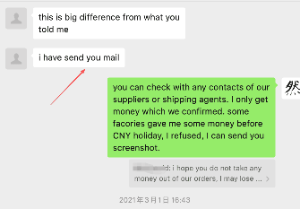
The client found another supplier offering steel kneelers for just €2.45. Because of this massive price gap, the client suspected we were adding hidden margins to our quotes.
I immediately assured him of our integrity. I explained that I reject all kickbacks from factories and offered to show screenshots as proof. I encouraged him to verify prices directly with our suppliers or agents.
The Investigation
He sent us the original email from one supplier as follows:
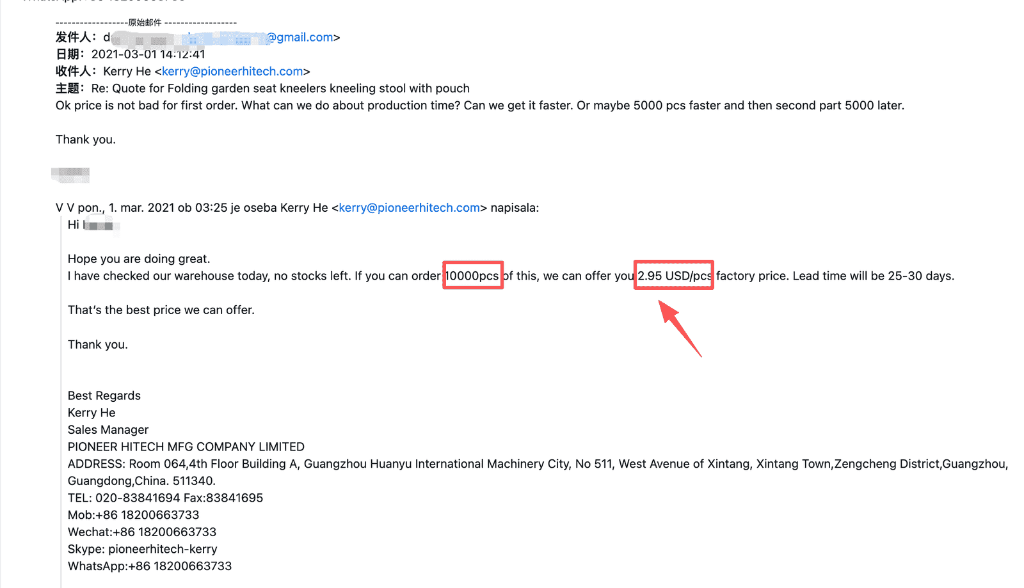
the orginal email from the scammer is 2.95USD for 10000pcs, This was even cheaper than our plastic option, which was a major red flag.
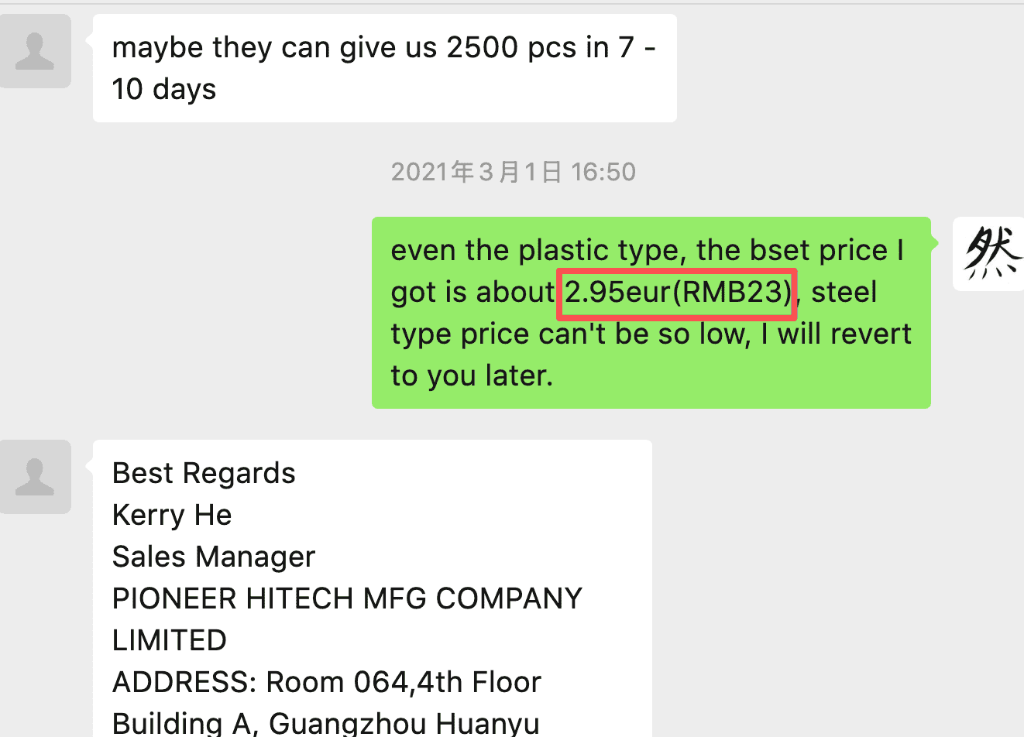
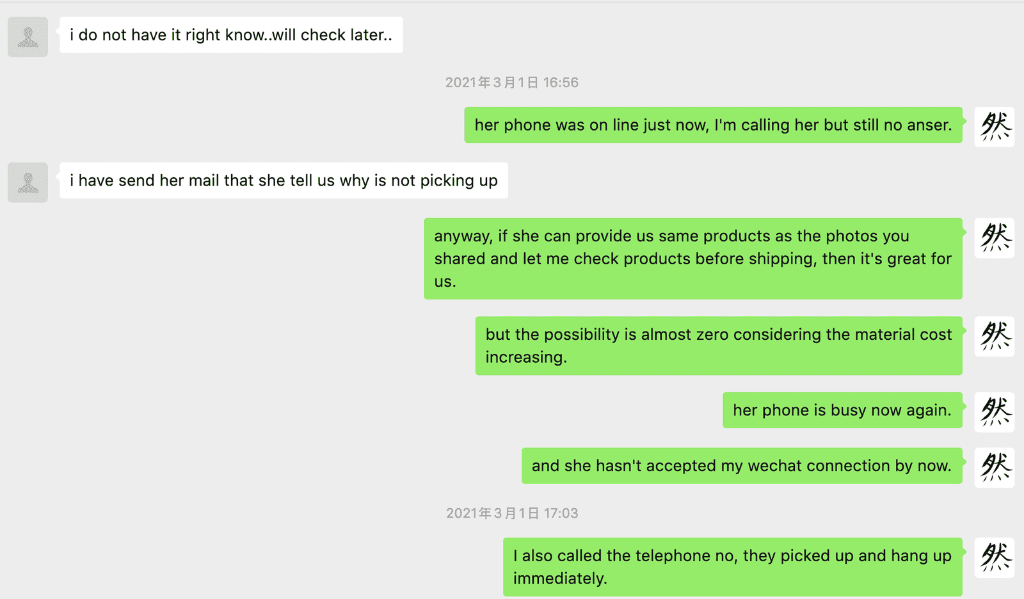
Suspecting a scam, I conducted due diligence:
-
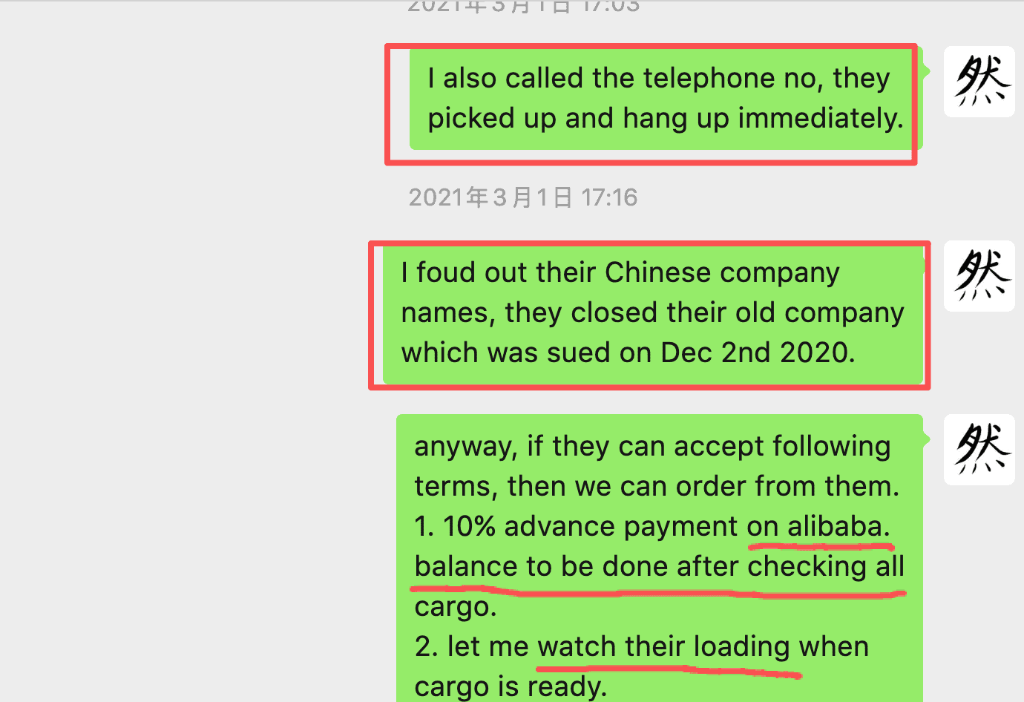
Phone Verification: I called the supplier multiple times. The calls were either rejected, or the person hung up immediately without speaking.
-
Background Check: I traced their Chinese company registration. They had recently closed an old company that had been sued in Dec 2020.
The Solution
To prove the risk to the client, I suggested we only proceed if the supplier agreed to two conditions:
-
10% advance payment via Alibaba (for trade assurance), with the balance paid after inspection.
-
On-site supervision of the loading process.
Result
The suspicious supplier refused to reply to these terms, effectively confirming the scam. The client realized the danger and returned to us.
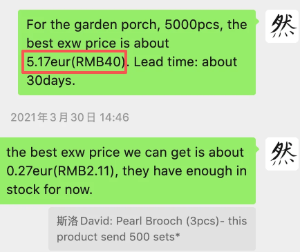
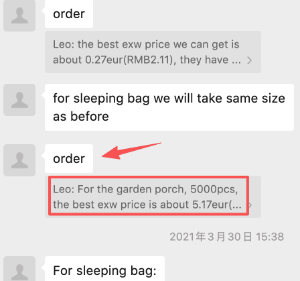
On March 30th, we updated the garden porch price and lead time, our partner confirmed the order.
Loading
Shipment 1: May 14th (2,884 sets).721CTNS
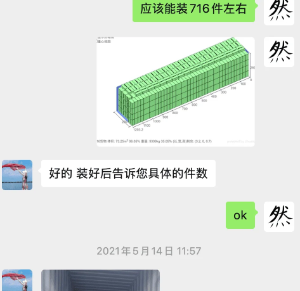
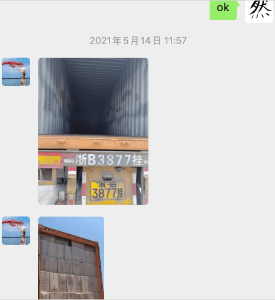
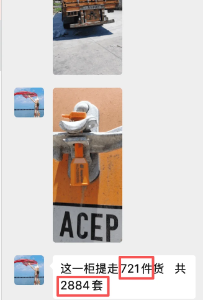
Shipment 2: May 27th (529CTNS,2,116 sets, consolidated with our partner’s other goods 100CTNS).
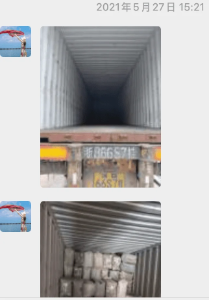
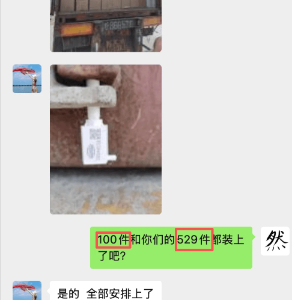
Key Takeaways
-
If It Seems Too Good to Be True, It Probably Is: A price significantly lower than the cost of raw materials (e.g., steel cheaper than plastic) is the biggest red flag in sourcing. Market price checking is always necessary before placing an order.
-
The Importance of Due Diligence: Never rely solely on an email quote. Verifying a supplier’s legal status, litigation history, and phone responsiveness is crucial before placing an order.
-
Payment Terms as a “Litmus Test”: Legitimate suppliers usually accept reasonable terms like Alibaba Trade Assurance or pre-shipment inspections. Scammers often refuse these conditions and demand direct transfers.
-
Value of a Trusted Local Partner: A local sourcing agent or company can spot suspicious behavior, verify factories on-site, and protect your capital from sophisticated scams.
Why This Case Matters:
-
Transparency Builds Trust: We maintain an open-book policy. Even when the client doubted our pricing, our transparency allowed us to have an honest conversation and eventually uncover the truth. REPA always encourages price comparison.
-
Market Expertise: We don’t just forward prices; we analyze them. Knowing the raw material costs helped us instantly identify the scammer’s quote as impossible.
-
Risk Management: We didn’t just say “no.” We tested the supplier with strict payment and inspection terms to prove the risk to the client without being confrontational.
-
Client Protection: Our goal isn’t just to get the order, but to ensure the client’s money and supply chain are safe.